The Basic Principles and Working Mechanism of LED Strip Lights
LED strip lights have become one of the most widely used lighting products in modern life. They are lightweight, bendable, and easy to install, making them suitable for almost all indoor and outdoor environments. To use LED strips properly, it is necessary to understand their basic structure and working principles. A typical LED strip consists of three main parts: miniature LED chips, a flexible printed circuit board, and a low-voltage power supply unit. Unlike traditional bulbs that rely on tungsten filaments, LED chips produce light through semiconductor electroluminescence. When electric current passes through the semiconductor material, electrons combine with holes and release energy in the form of visible light. This physical process ensures high luminous efficiency and extremely low heat generation.
The flexible circuit board is the carrier of all electronic components. It is usually made of bendable copper material, allowing the strip to twist, turn, and fit into narrow corners, gaps, and curved surfaces. Small resistors are welded next to each LED bead to stabilize current and prevent burnout caused by voltage fluctuations. Most LED strips use low-voltage DC power, which greatly reduces the risk of electric leakage and electric shock, especially in humid environments such as kitchens and bathrooms. The back of the strip is covered with strong 3M adhesive, so users do not need complicated tools or professional wiring during installation.
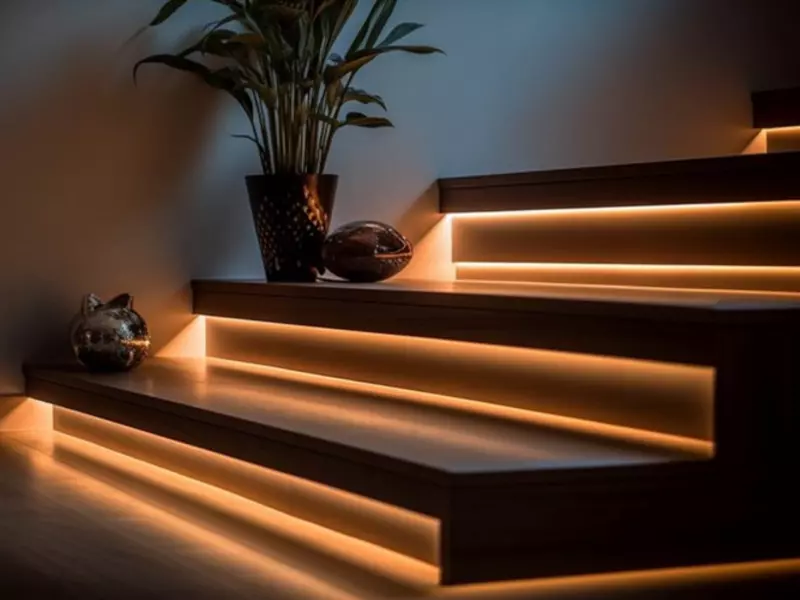
The light color of LED strips is determined by the chip material and phosphor coating. Warm white light creates a cozy indoor atmosphere, while cold white light improves visibility in work areas. RGB strips can mix red, green, and blue light to produce millions of colors, supporting dynamic color changing and flashing modes. Compared with traditional lighting equipment, LED strips have simpler internal structures, fewer failure points, and stronger stability. Understanding these basic working principles helps users choose the right brightness, color temperature, and voltage model according to actual needs. It also helps avoid common mistakes such as overload connection and improper cutting. In general, the simple, safe, and efficient working mechanism lays a solid foundation for the wide popularity of modern LED strip lighting technology.
Previous: No More
